

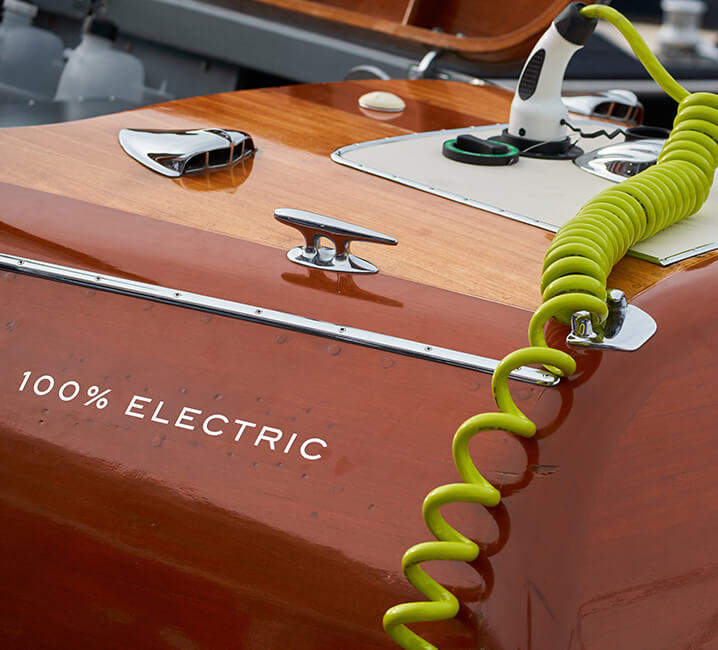
Making the Switch
Practical guidance for transitioning boats to clean
electric propulsion.
Electric boating is no longer experimental it is a proven, growing movement driven by quieter operation, lower maintenance, and the ability to pair boats with renewable energy systems. This resource center exists to help boat owners, builders, designers, and marina operators understand what electric propulsion really involves, before making decisions or investments.
The Electric Boathouse focuses on education first. Our goal is to explain the systems, tradeoffs, and real-world considerations behind electric boat conversions clearly, honestly, and without hype. Whether you are just beginning to explore electric options or already planning a conversion, this page serves as a starting point and a gateway to deeper resources across the site.
This is not a one-size-fits-all solution. Boats, usage patterns, and expectations vary widely. The information here is designed to help you ask the right questions, understand your options, and move forward with confidence.
Why Convert to Electric?
The benefits go beyond emissions.
Converting a boat to electric propulsion changes more than just the motor it changes the entire boating experience. Electric systems eliminate exhaust fumes and dramatically reduce noise, making time on the water calmer, cleaner, and more enjoyable. At the dock, zero emissions mean healthier marinas and better compatibility with covered boathouses and enclosed slips.
From a practical standpoint, electric motors have far fewer moving parts than internal combustion engines. This typically results in lower routine maintenance, reduced long-term wear, and simpler system diagnostics. When paired with solar or renewable charging, electric boats can also reduce fuel dependency and operating costs over time.
Electric propulsion also aligns naturally with modern waterfront design especially solar-powered boathouses that generate, store, and distribute energy on site. Together, they represent a shift toward more resilient, self-sustaining marine infrastructure.
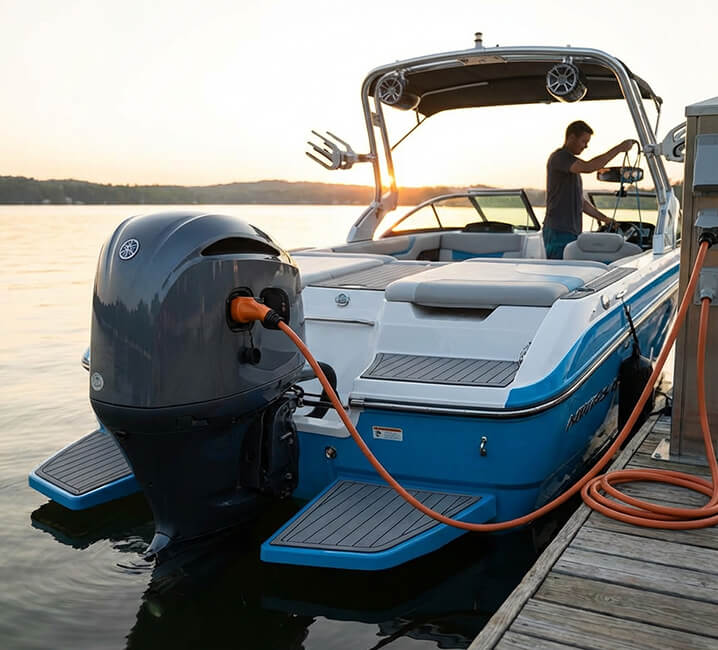
Will it Work for You?
Not every boat is ideal and that’s okay.
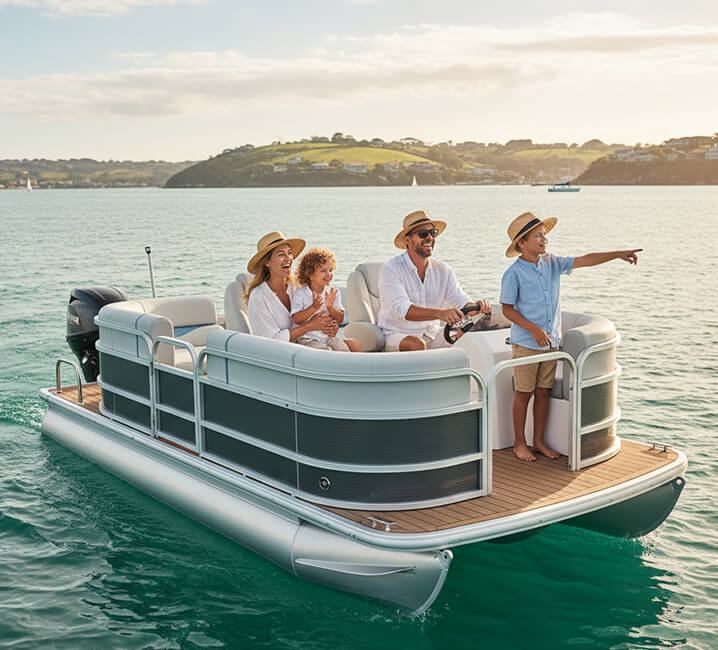
Electric conversion works best when the boat’s design and intended use match the strengths of electric propulsion. Many successful conversions start with boats that prioritize steady cruising, short-to-moderate range trips, or predictable daily usage. Pontoon boats, day cruisers, sailboats, and utility craft are often excellent candidates due to their hull shapes, operating speeds, and onboard space for batteries.
Key considerations include hull displacement, total weight capacity, desired cruising speed, and how long the boat is typically used between charging opportunities. High top-speed expectations or long, uninterrupted runs may require larger battery systems or hybrid approaches.
Every boat is different. A realistic evaluation, before purchasing components, helps prevent overspending, underperformance, and frustration. Throughout this site, you’ll find tools, examples, and community discussions designed to help you determine whether electric conversion makes sense for your specific boat and use case.
Safety & Compliance
Designed Correctly, Safety is Built In
Marine-grade wiring, ventilation, battery management, and adherence to standards are essential. Proper system design protects the vessel, passengers, and marina infrastructure while ensuring long-term reliability.
The Building Blocks of Electric Boat Conversion
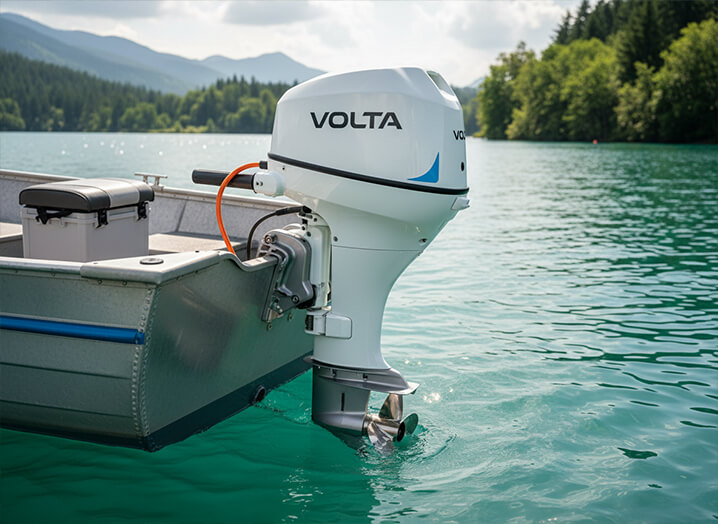
The Heart of the System
Electric marine motors deliver instant torque, smooth acceleration, and quiet operation. Options include inboard and outboard configurations, each suited to different boat designs and installation goals. Motor selection impacts efficiency, speed, and overall system balance.
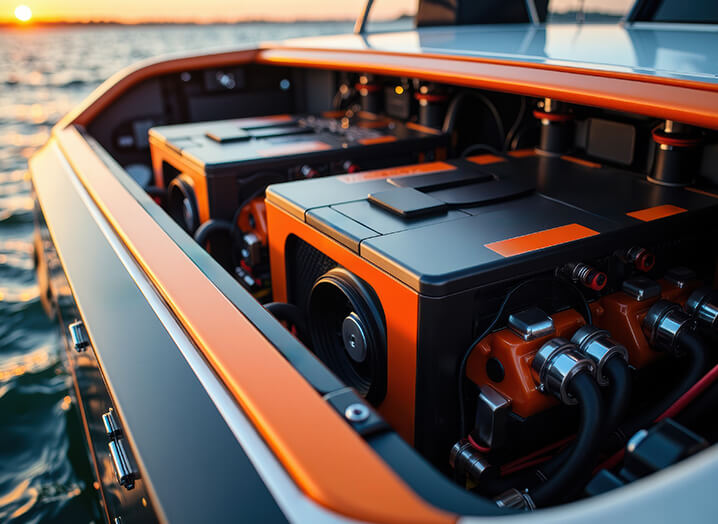
Energy Storage | Range & Runtime
Battery chemistry, capacity, weight, and placement all affect performance and safety. Modern lithium systems offer high energy density and long cycle life, but require proper planning, monitoring, and protection.
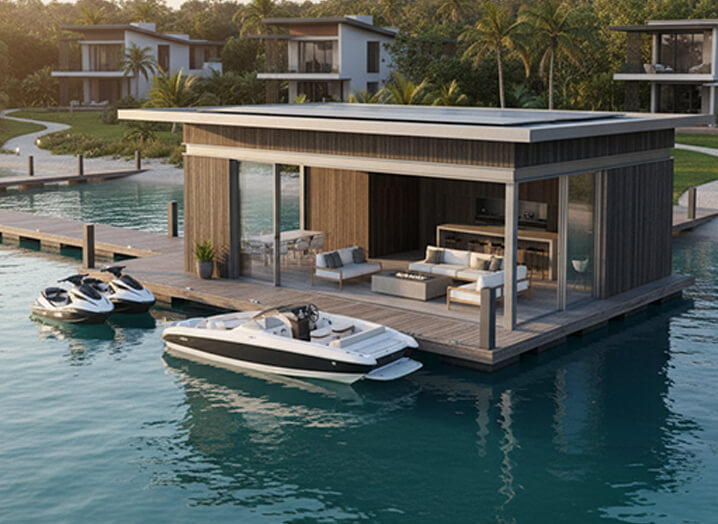
Generate Power Where You Dock
Solar can supplement or fully support charging needs when integrated into boathouses or dock systems. This reduces grid dependence and pairs naturally with electric propulsion for a cleaner, self-contained energy loop.
By The Numbers
Looking Ahead
Electric Boating is a Long-Term Shift.
Electric propulsion supports quieter waterways, cleaner marinas, and smarter energy use especially when paired with solar-powered boathouses.
The Electric Boathouse exists to support this transition through practical education and community knowledge. Whether you’re planning a conversion now or simply exploring what’s possible, this is where the future takes shape.
Costs, Expectations & Common Pitfalls
Plan first. Buy later.
Electric boat conversions range widely in cost. Smaller, low-speed boats may require modest investment, while larger vessels or higher performance goals increase complexity and budget.
The most common mistakes happen early – buying components before defining range, speed, and usage goals. Oversized motors, undersized batteries, and poor weight planning often lead to disappointing results.
Successful conversions start with realistic expectations, a complete system plan, and a clear understanding of tradeoffs.
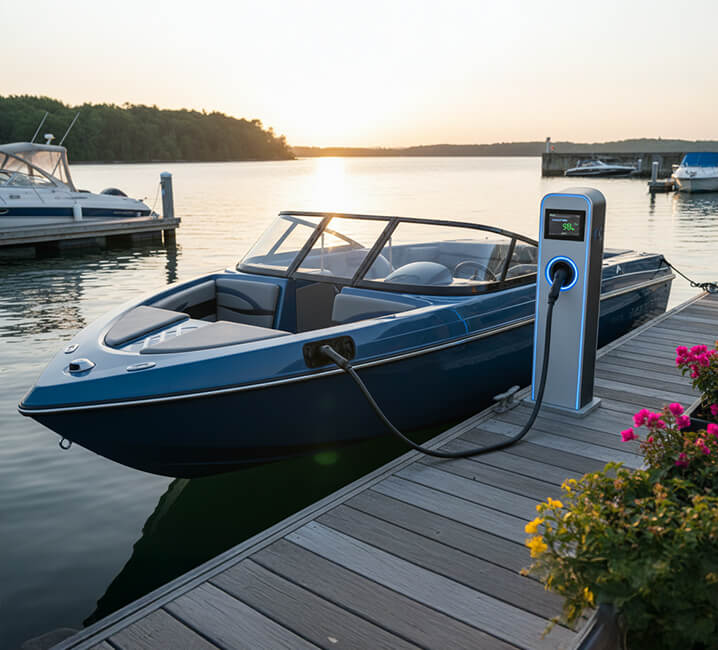
Electric Boat Resources
Electric boat conversion improves through shared experience. The Electric Boathouse Forum connects boat owners, builders, designers, and engineers working on real projects.
Ask questions. Share progress. Learn what works—and what doesn’t.
Join the Electric Boathouse Forum and be part of the conversation shaping electric boating.