Methods for Converting Gas-Powered Boats to Electric
The quiet hum of an electric motor gliding across the water is becoming the new standard for sustainable boating. Converting a gas-powered boat to electric isn’t just an eco-friendly decision, it can also lead to lower maintenance, reduced fuel costs, and a more peaceful experience on lakes, rivers, and coastal waterways.
At The Electric Boathouse, we’re dedicated to helping builders, boat owners, and innovators understand the growing possibilities of electric watercraft.
Direct-Drive Electric Motor Replacements
A direct-drive swap is the simplest and most common conversion method. The gas engine is removed and replaced with an electric motor that connects directly to the existing propeller shaft, delivering smooth, quiet, and reliable propulsion.
How it works:
- The electric motor bolts to a custom plate where the engine used to sit.
- A coupler connects the motor shaft to the boat’s existing driveshaft.
- A dedicated battery bank powers the system through a motor controller.
Best for:
- Pontoon boats
- Small fishing boats
- Inboard runabouts
Why people choose it:
- Straightforward installation
- Reuses existing drivetrain
- Instant, smooth torque
Outboard Electric Conversion Kits
For boats that rely on outboard motors, conversion kits replace the powerhead (engine block) with a lightweight electric drive module. This approach keeps the familiar control feel while eliminating fuel, exhaust, and noise.
How it works:
- Remove the gas powerhead
- Attach the electric conversion module
- Install lithium batteries under seats or inside compartments
- Connect controls and charging port
Best for:
- Aluminum fishing boats
- Lightweight craft under 20 feet
- DIY-friendly projects
Why people choose it:
- Compact and lightweight
- Easy to upgrade later
- Minimal mechanical changes required
Pod Drive or Saildrive Systems
Pod drives place the motor and propeller underwater in a sealed pod that mounts through the hull. This design is extremely efficient and produces almost no noise or vibration.
How it works:
- The propulsion pod sits below the waterline
- Power cables pass through watertight hull fittings
- Steering is handled by either a rudder or rotating pod
Best for:
- New builds
- Major refits
- Sailboats and cruisers
Why people choose it:
- Ultra-quiet operation
- High thrust efficiency
- Clean, compact installation
Hybrid Electric Systems
When full electric range isn’t practical, hybrid systems offer the best of both worlds by pairing an electric motor with a small generator or auxiliary engine.
How it works:
- Electric power handles most everyday cruising
- A generator recharges batteries on long trips
- The system switches automatically as needed
Best for:
- Charter operations
- Long-range cruising
- Commercial vessels
Why people choose it:
- Eliminates range anxiety
- All-day run capability
- Highly efficient power management
Battery Systems and Charging Options
Choosing the right battery system is essential for performance and safety.
Common marine battery options:
- Lithium-Ion: lightweight, long lifespan, highly efficient
- LiFePO4: extremely safe and thermally stable
- AGM or Lead-Acid: lower cost but heavier and shorter-lived
Charging options:
- Dockside AC charging
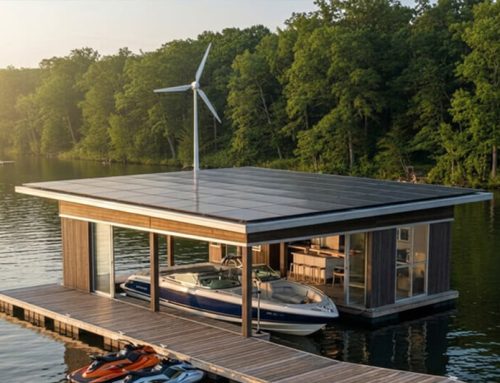
- Solar charging stations
- Wind-assisted charging
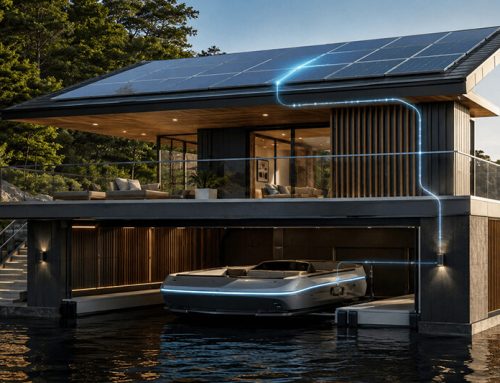
- Renewable-powered docks and boathouse systems
As marinas and waterfront facilities continue upgrading their electrical infrastructure, charging is becoming easier and more accessible than ever.
Safety and Professional Guidance
Electric propulsion brings many benefits, but it also involves high-voltage components and marine environments. A qualified marine electrician familiar with American Boat and Yacht Council (ABYC) safety standards ensures proper installation, reliable operation, and long-term safety.
While many systems are becoming more modular and DIY-friendly, expert guidance is still essential.
Join the Conversation
Have you converted a boat to electric or explored electric propulsion options? The future of boating is electric, and the movement is only gaining momentum.
Related Posts